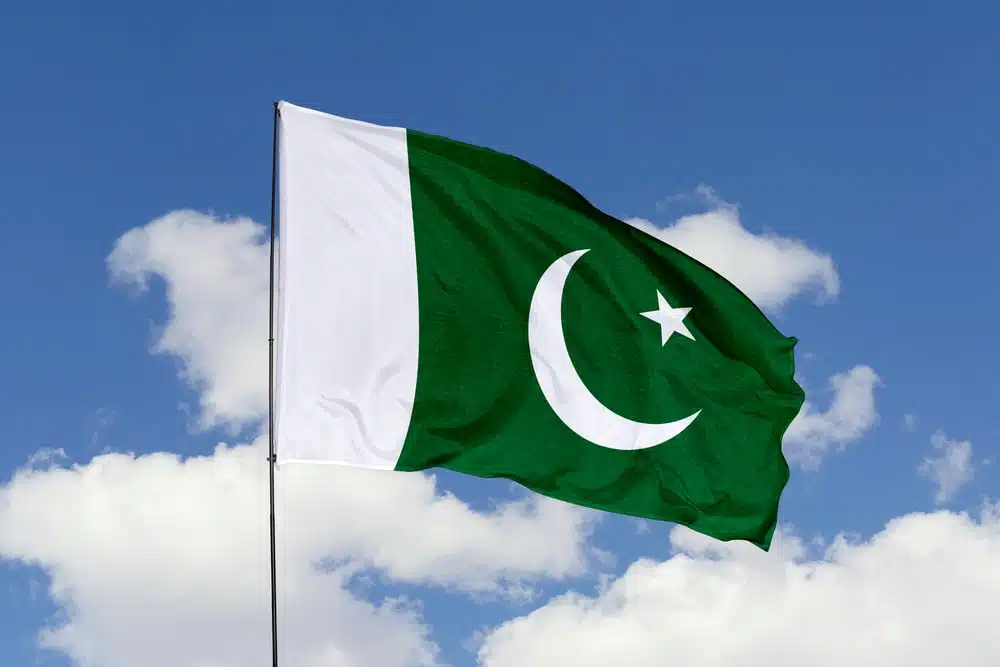
Pakistan, officially known as the Islamic Republic of Pakistan, is a country rich in culture, history, and natural beauty. Here are 100 fascinating facts about Pakistan that provide a deeper understanding of this diverse and dynamic nation.
100 Facts About Pakistan You Should Know
Birth of a Nation: Pakistan was established on August 14, 1947, following the end of British rule in India.
Founder: The founder of Pakistan is Muhammad Ali Jinnah, who is also referred to as “Quaid-e-Azam” (Great Leader).
First Capital: Karachi was the first capital of Pakistan before it was moved to Islamabad in 1963.
Geographical Location: Pakistan is located in South Asia, sharing borders with India, Afghanistan, Iran, and China.
Four Provinces: Pakistan consists of four provinces: Punjab, Sindh, Khyber Pakhtunkhwa, and Balochistan.
Language Diversity: Pakistan has more than 70 languages spoken, with Urdu being the national language and English widely used in government and education.
Largest City: Karachi is the largest city in Pakistan and one of the most populous cities in the world.
Indus River: The Indus River, one of the longest rivers in the world, flows through Pakistan.
Mountain Peaks: Pakistan is home to five of the fourteen highest peaks in the world, including K2, the second-highest mountain.
Karakoram Highway: The Karakoram Highway, connecting Pakistan with China, is the highest paved international road in the world.
World Heritage Sites: Pakistan boasts six UNESCO World Heritage Sites, including the ancient ruins of Mohenjo-Daro and the Buddhist ruins of Takht-i-Bahi.
Largest Irrigation System: Pakistan has the world’s largest contiguous irrigation system.
Rupee: The currency of Pakistan is the Pakistani Rupee (PKR).
Population: Pakistan is the fifth most populous country in the world.
Islam: The state religion is Islam, with 96% of the population being Muslim.
Cricket: Cricket is the most popular sport in Pakistan, and the country has won the Cricket World Cup in 1992.
Traditional Clothing: The national dress is Shalwar Kameez, worn by both men and women.
National Animal: The Markhor is the national animal of Pakistan.
National Bird: The Chukar Partridge is the national bird.
National Flower: Jasmine is the national flower of Pakistan.
National Fruit: Mango is the national fruit.
National Drink: Sugarcane juice is the national drink of Pakistan.
National Poet: Allama Iqbal is considered the national poet of Pakistan.
World’s Second Largest Salt Mine: The Khewra Salt Mine is the second-largest in the world.
Lahore: Lahore is known as the cultural capital of Pakistan, famous for its rich history and vibrant cultural scene.
Gwadar Port: Gwadar Port, located in Balochistan, is one of the deepest seaports in the world.
Desert: The Thar Desert is one of the largest deserts in Pakistan.
Highest ATM: The world’s highest ATM is operated by the National Bank of Pakistan at the Khunjerab Pass.
Edhi Foundation: The Edhi Foundation, founded by Abdul Sattar Edhi, runs the world’s largest volunteer ambulance network.
Education: Pakistan has over 190 universities, with Quaid-i-Azam University in Islamabad ranked among the top.
Nobel Laureates: Pakistan has two Nobel laureates: Dr. Abdus Salam (Physics) and Malala Yousafzai (Peace).
Independence Day: Pakistan celebrates its Independence Day on August 14.
Pakistan Day: March 23 is celebrated as Pakistan Day, marking the Lahore Resolution in 1940.
Military: Pakistan has one of the largest standing armed forces in the world.
Defense Production: Pakistan is one of the few countries with a strong defense production industry, producing tanks, aircraft, and submarines.
Pakistani Cuisine: Known for its rich and spicy flavors, popular dishes include Biryani, Nihari, and Kebabs.
Hospitality: Pakistanis are known for their hospitality and treating guests with great respect.
Sufi Shrines: The country has numerous Sufi shrines, with the shrine of Data Ganj Bakhsh in Lahore being one of the most famous.
Kalash Valley: The Kalash people in the Chitral Valley have a unique culture and are known for their colorful festivals.
Music: Pakistan has a rich musical heritage, with classical, folk, and contemporary music.
Film Industry: Lollywood, based in Lahore, is the center of Pakistan’s film industry.
Truck Art: Pakistan is famous for its colorful and artistic truck decorations.
Famous Festivals: Eid-ul-Fitr, Eid-ul-Adha, and Basant are widely celebrated festivals.
Natural Resources: Pakistan is rich in natural resources, including coal, natural gas, and minerals.
Economy: Pakistan’s economy is diverse, with significant contributions from agriculture, manufacturing, and services.
Exports: Major exports include textiles, rice, and sports goods.
Tourism: Pakistan is emerging as a top travel destination, known for its stunning landscapes and historical sites.
Shandur Polo Festival: The highest polo ground in the world is in Shandur, where an annual festival is held.
Literacy Rate: Pakistan’s literacy rate is around 60%, with ongoing efforts to improve education.
Youth Population: Pakistan has a young population, with over 60% under the age of 30.
Healthcare: The country has a growing healthcare system with numerous public and private hospitals.
Women in Politics: Pakistan was the first Muslim-majority country to elect a female Prime Minister, Benazir Bhutto.
Space Program: SUPARCO is Pakistan’s national space agency, involved in space research and satellite technology.
Internet Users: Pakistan has over 76 million internet users, with a growing digital economy.
Mountains: Pakistan is home to the Hindu Kush, Karakoram, and Himalaya mountain ranges.
Fairy Meadows: Known for its breathtaking beauty, Fairy Meadows is located near Nanga Parbat.
Multan: Multan, known as the City of Saints, is famous for its Sufi shrines and pottery.
Islamabad: The capital city, Islamabad, is known for its modern architecture and scenic beauty.
Largest Mosque: The Faisal Mosque in Islamabad is the largest mosque in Pakistan and one of the largest in the world.
Education for All: Pakistan aims to achieve universal primary education by 2030 as part of its Sustainable Development Goals.
Balochistan: The largest province by area, Balochistan, is known for its diverse culture and natural resources.
Khyber Pass: An ancient trade route, the Khyber Pass connects Pakistan with Afghanistan.
Indus Valley Civilization: One of the world’s oldest civilizations, the Indus Valley Civilization, was located in present-day Pakistan.
Rural Population: Approximately 64% of Pakistan’s population lives in rural areas.
Climate: Pakistan has a diverse climate, ranging from arid deserts to snowy mountains.
Biodiversity: The country is home to diverse wildlife, including snow leopards, Markhor, and dolphins.
Sports Achievements: Pakistan has won numerous international sports championships, including hockey and squash.
Fishing Industry: Pakistan has a significant fishing industry, particularly in Karachi.
Dams: Major dams include the Tarbela Dam and Mangla Dam, crucial for irrigation and power generation.
Renewable Energy: Pakistan is investing in renewable energy sources, including wind, solar, and hydroelectric power.
CPEC: The China-Pakistan Economic Corridor (CPEC) is a major infrastructure project aimed at improving connectivity and trade.
Art and Culture: The country has a rich tradition of arts and crafts, including pottery, weaving, and painting.
Libraries: Pakistan has numerous public libraries, with the Quaid-e-Azam Library in Lahore being one of the largest.
Historical Cities: Lahore, Karachi, Islamabad, and Peshawar are known for their historical significance and cultural heritage.
University of Punjab: Established in 1882, it is one of the oldest and most prestigious universities in Pakistan.
Economic Hubs: Karachi and Lahore are the economic hubs of the country, contributing significantly to the GDP.
Space Satellite: Pakistan launched its first indigenously developed satellite, PAKSAT-1R, in 2011.
Thar Coal Reserves: The Thar Desert has one of the largest coal reserves in the world.
Mangrove Forests: Pakistan has significant mangrove forests along its coastline, crucial for the ecosystem.
Fruit Production: Pakistan is a leading producer of fruits such as mangoes, oranges, and apricots.
Karachi Port: The Port of Karachi is one of the largest and busiest ports in South Asia.
Textile Industry: The textile industry is a major contributor to Pakistan’s economy and exports.
Seismic Activity: Pakistan is located in a seismically active region, experiencing frequent earthquakes.
Trekking and Adventure: The country offers numerous trekking and adventure opportunities in the northern regions.
Pakistan Air Force: Known for its skilled pilots, the Pakistan Air Force plays a critical role in national defense.
Iron Ore Reserves: The country has significant iron ore reserves, particularly in Punjab and Balochistan.
International Organizations: Pakistan is a member of several international organizations, including the United Nations and the Commonwealth.
Cultural Festivals: Festivals like the Lahore Literary Festival and the Karachi Biennale celebrate Pakistan’s vibrant culture.
Humanitarian Efforts: Pakistan has a strong tradition of humanitarian efforts, with numerous NGOs working across the country.
Railway Network: Pakistan Railways operates an extensive network connecting major cities and regions.
Tourist Attractions: Major attractions include the Badshahi Mosque, Lahore Fort, and the Hunza Valley.
Healthcare Initiatives: Programs like the Sehat Sahulat Program aim to provide healthcare coverage to the underprivileged.
Traditional Music: Classical and folk music play an integral role in Pakistan’s cultural heritage.
Marine Life: Pakistan’s coastal waters are rich in marine life, including fish, crabs, and shrimp.
Fashion Industry: The fashion industry is rapidly growing, with designers gaining international recognition.
Telecommunication: The telecommunication sector is booming, with widespread mobile and internet connectivity.
Environmental Conservation: Efforts are underway to conserve natural habitats and wildlife through national parks and reserves.
Democratic Governance: Pakistan operates under a parliamentary democratic system.
Agricultural Production: Major crops include wheat, rice, cotton, and sugarcane.
Cultural Diversity: The country is a melting pot of cultures, ethnicities, and traditions, making it unique and diverse.